The Science

Ingredient Library

Every ingredient, up close.

All 20 ingredients across our four formulas: what each one is, the percentage wherever the formula states one, and which products it’s in.

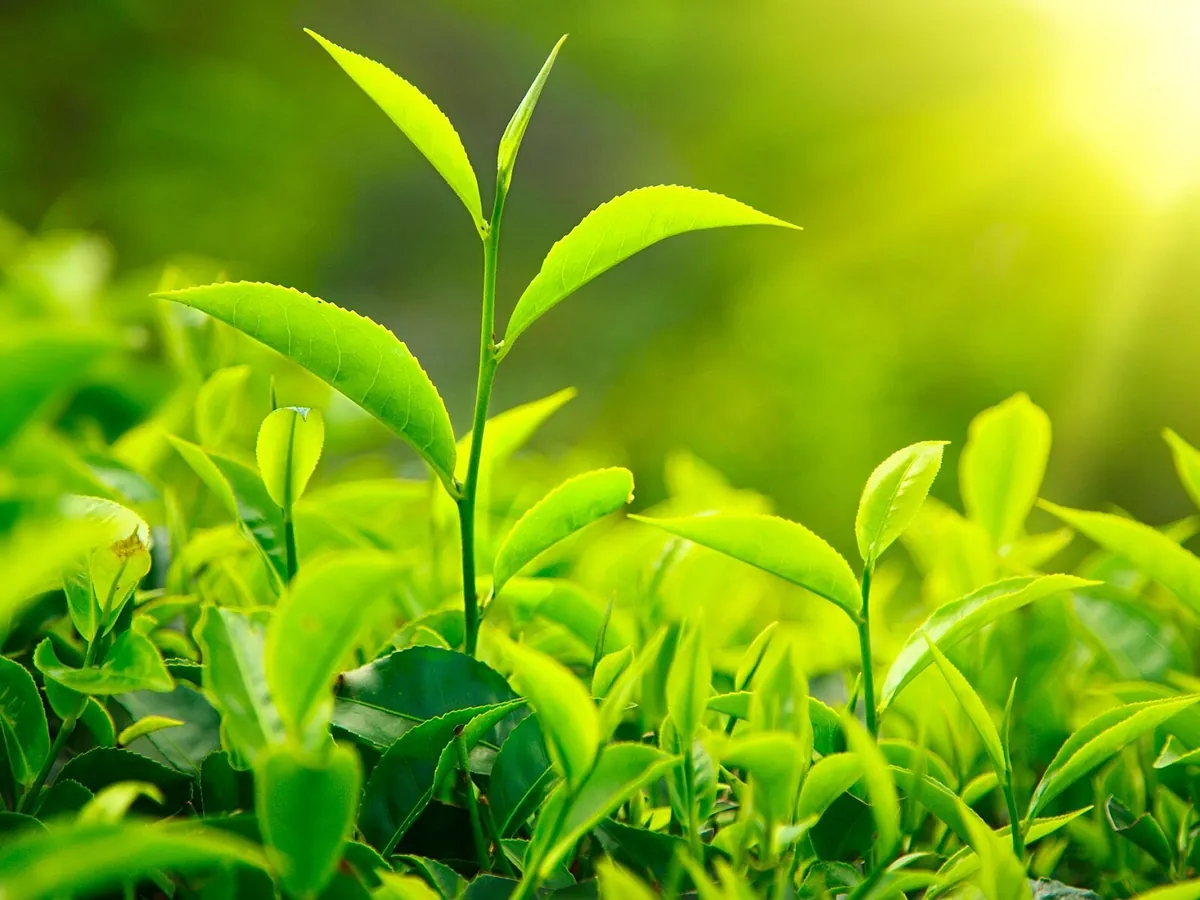
Pictured: a fresh tea bud. Redensyl’s EGCG2 is made from EGCG, the green-tea molecule.

The follicle

Redensyl 3%

The lead hair-care active in the blend, built on DHQG and EGCG2.
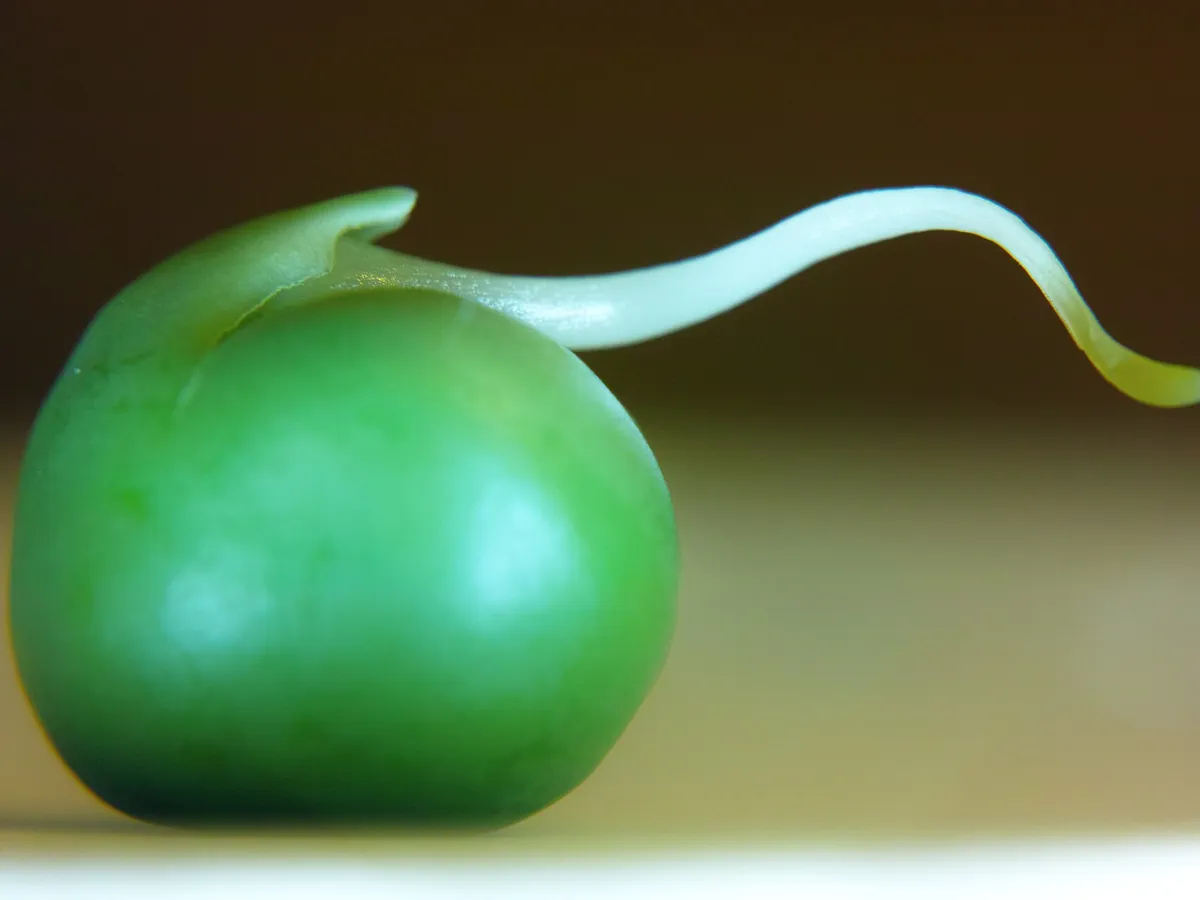
Pictured: a pea putting out its first sprout. Anagain is an extract of pea sprouts.

The growth cycle

Anagain 4%

Pea-sprout extract, working alongside Redensyl and Baicapil to help support the hair growth cycle.
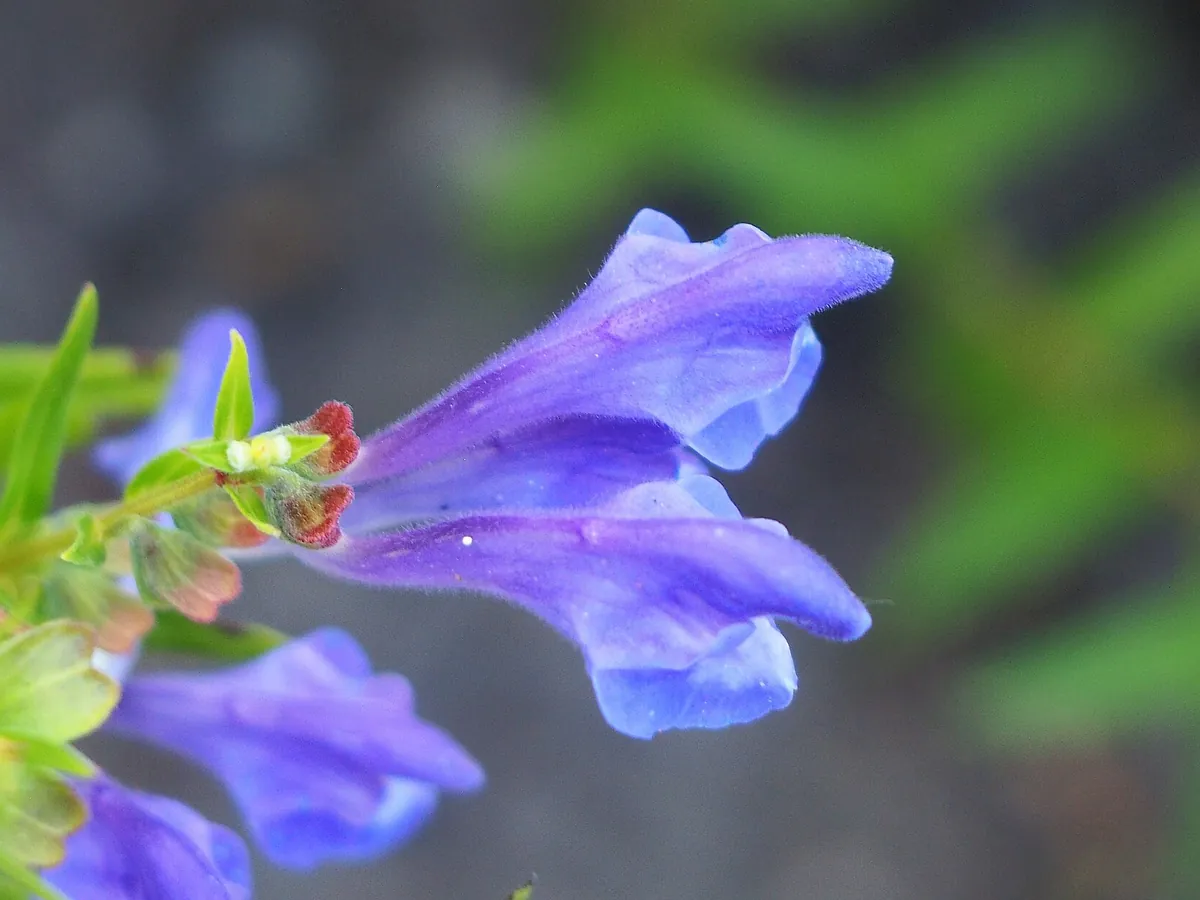
Pictured: Baical skullcap in flower. Baicapil uses its root, with soy and wheat sprouts.

The blend

Baicapil 3%

Baical skullcap root, soy and wheat-sprout extracts in one active.
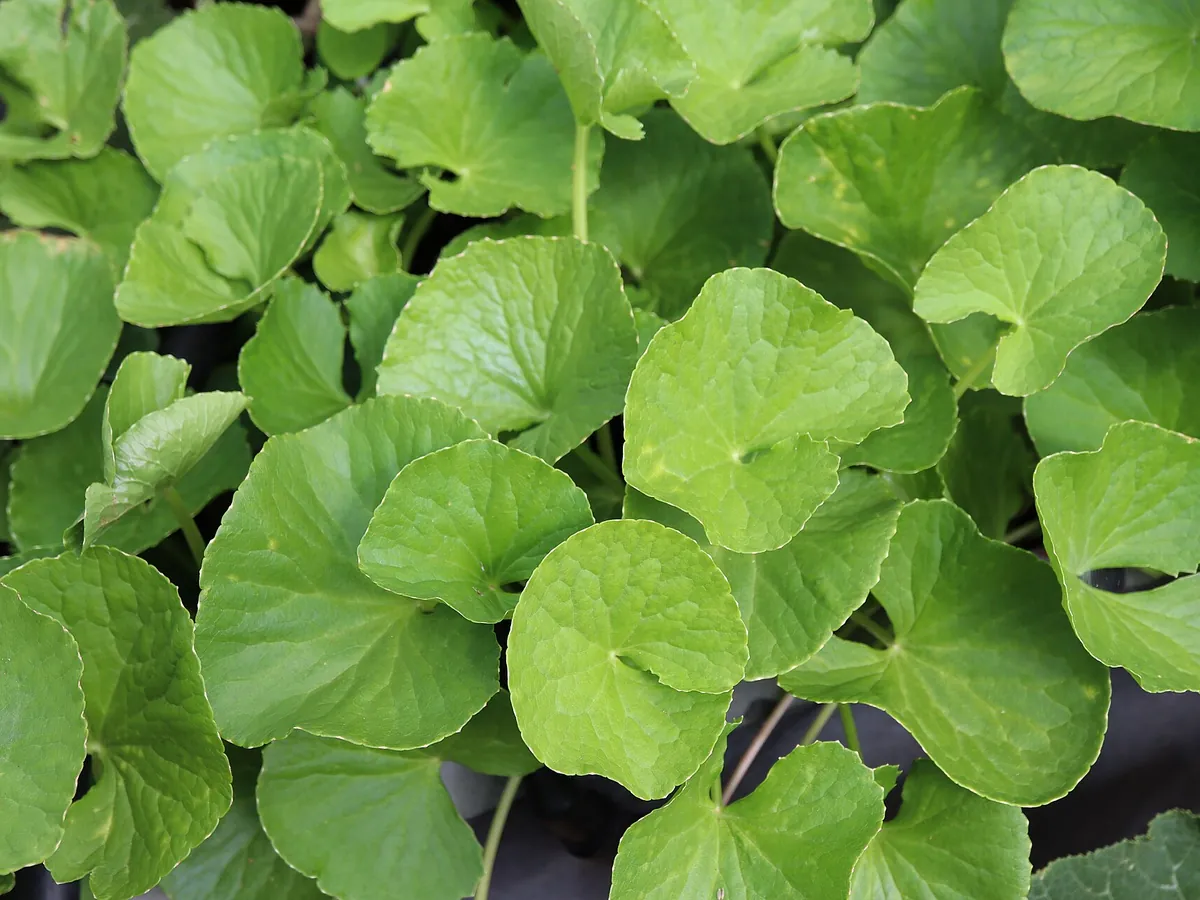
Pictured: Centella asiatica (cica), the plant the exosomes come from.

The difference

CICA Exosome 1%

Nano-sized vesicles from Centella asiatica — the kind cells use to carry signals. What sets this blend apart.
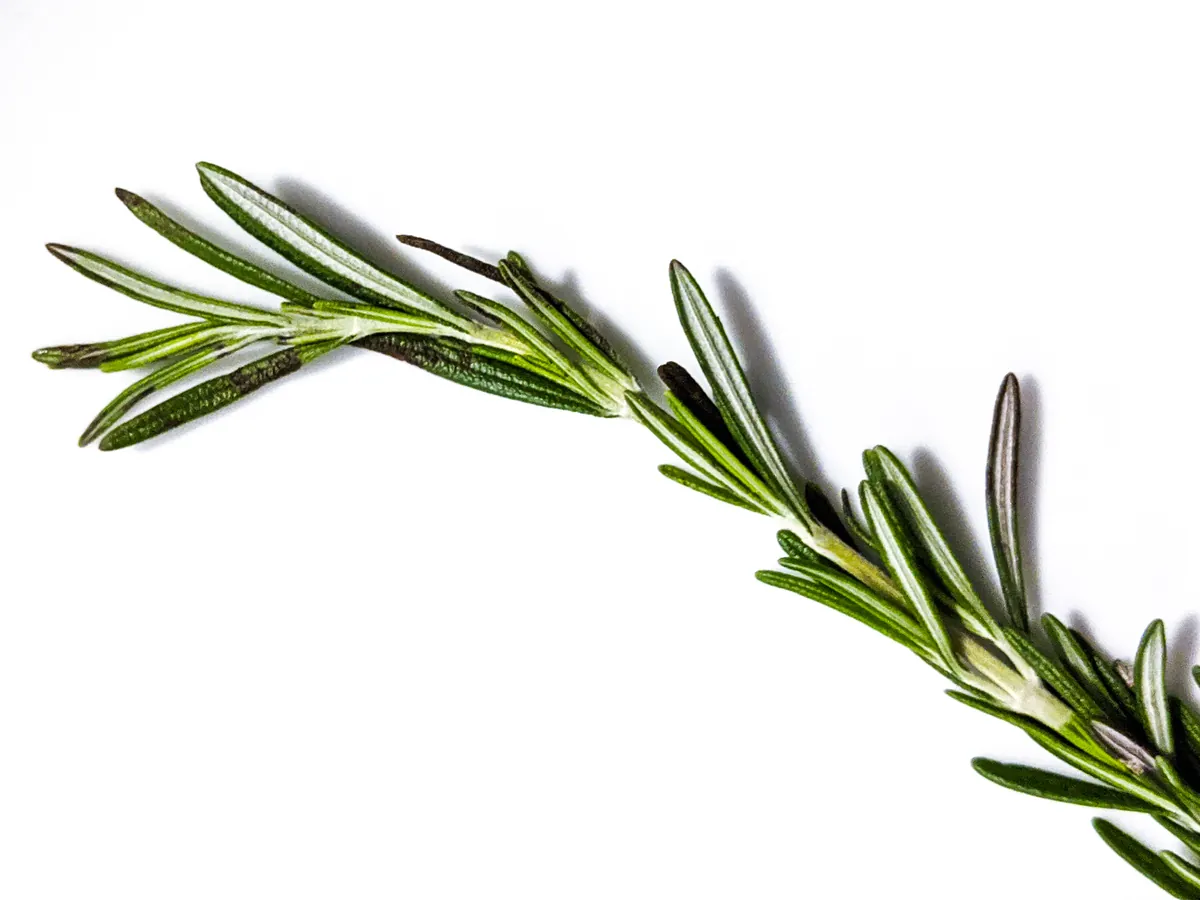
Pictured: a sprig of rosemary.

Botanical

Rosemary Extract

A botanical with a long history in hair care. It rounds the formula out.
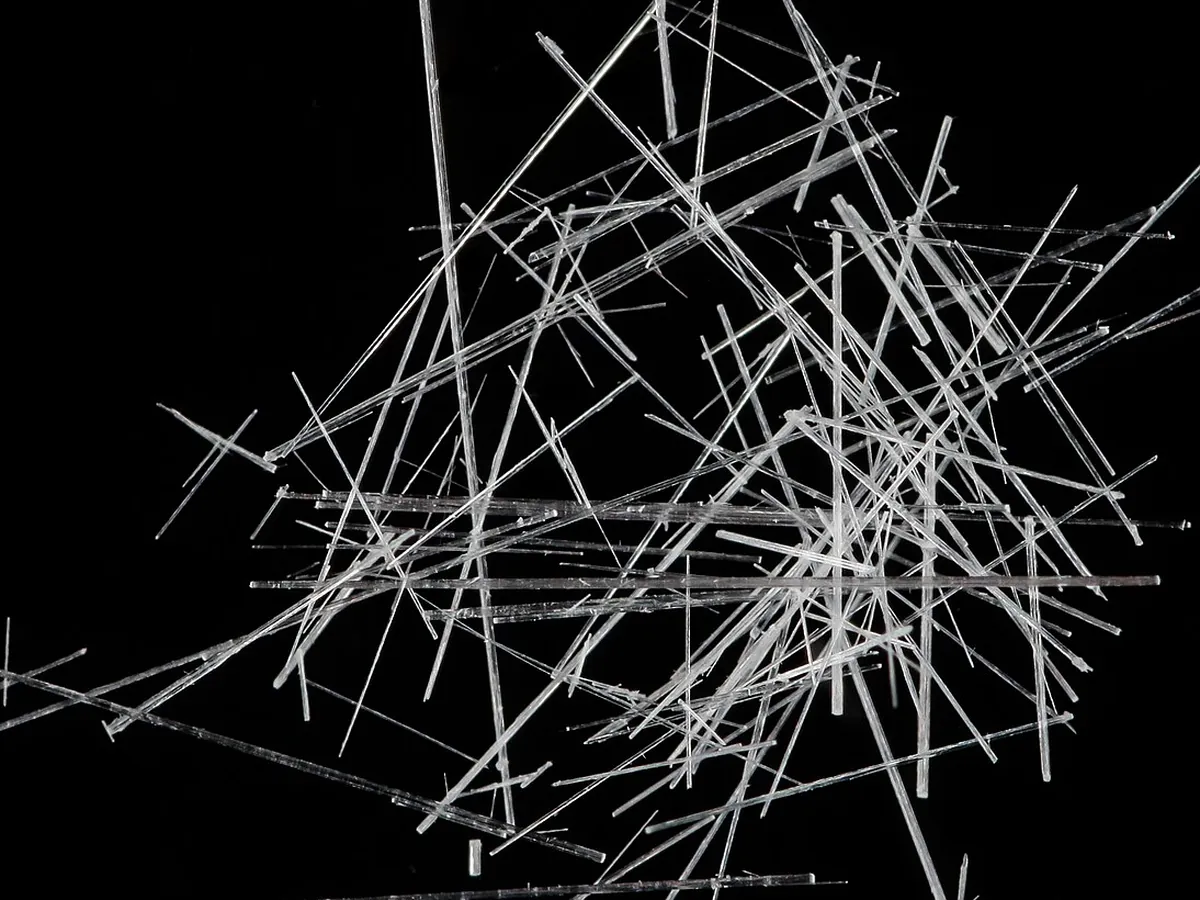
Pictured: caffeine crystals, magnified.

Support

Caffeine

Studied in vitro on DHT-suppressed follicles. It is not a DHT blocker, and we will not call it one.
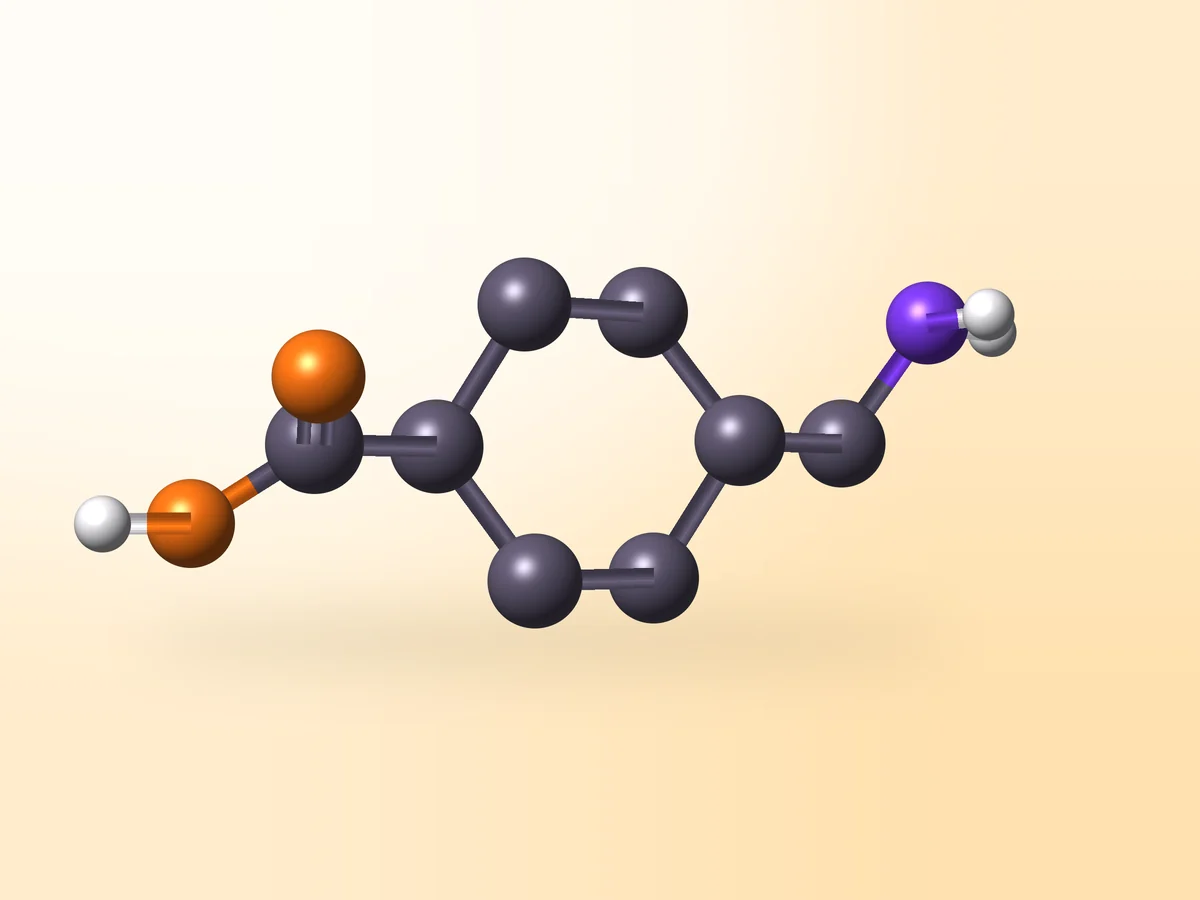
Model: the tranexamic acid molecule, drawn from its 3D structure.

Pigment

Tranexamic Acid 4%

Helps fade pigmentation and discoloration — the marks a spot or the sun leaves behind.
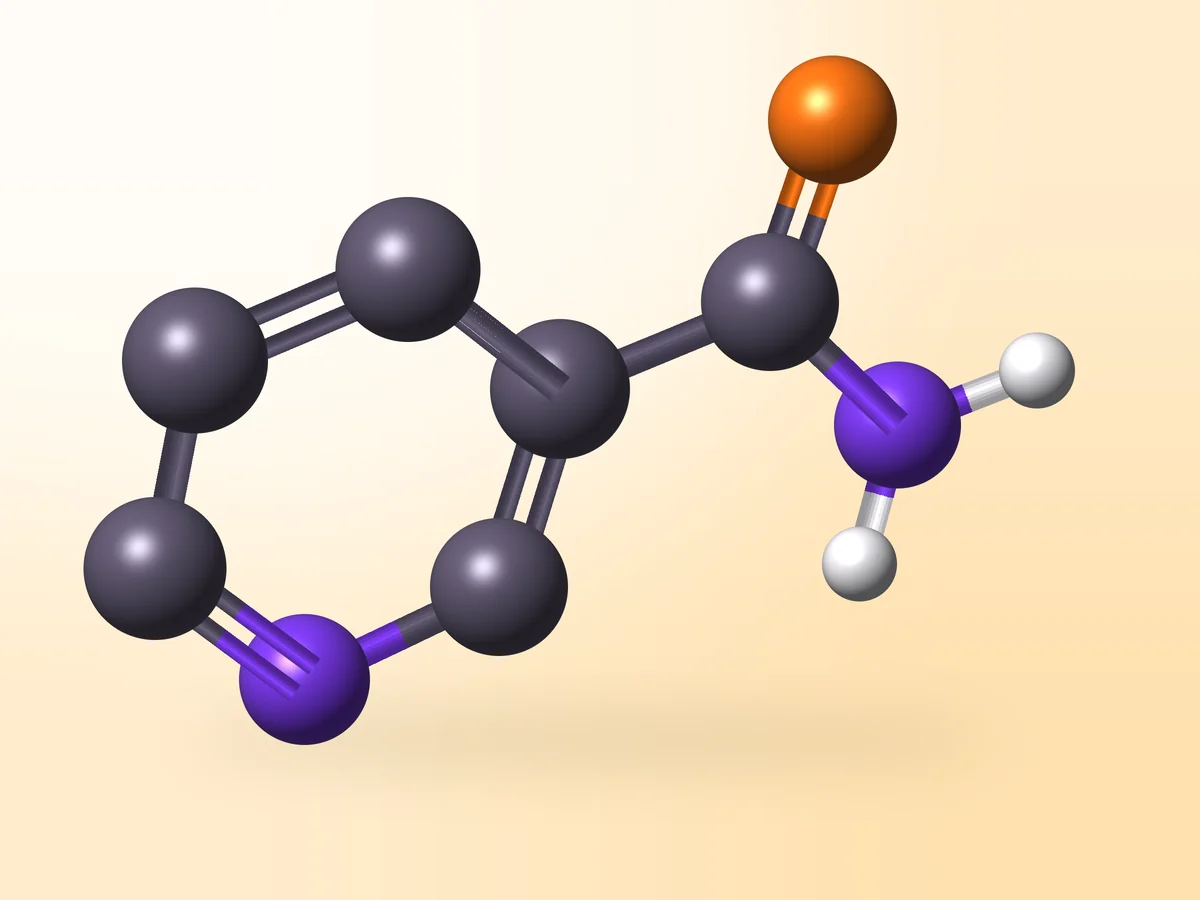
Model: the niacinamide (vitamin B3) molecule.

Oil, pores & tone

Niacinamide 10% · 5%

Vitamin B3. At 10% in the face serum it helps control sebum and the look of enlarged pores; at 5% in the cream it works on even tone.
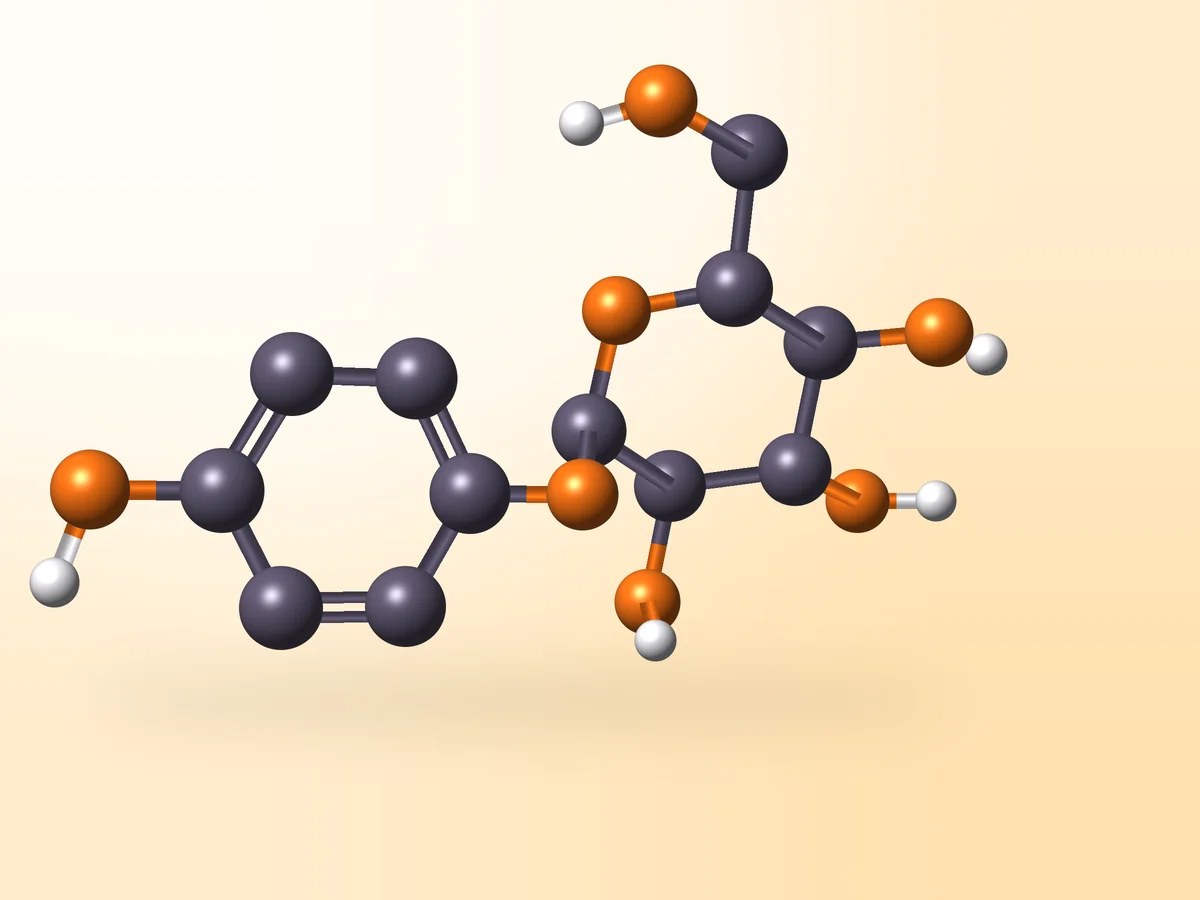
Model: the alpha arbutin molecule.

Dark spots

Alpha Arbutin 2%

Works on tyrosinase, the enzyme that drives excess pigment. It does not act on your baseline colour.
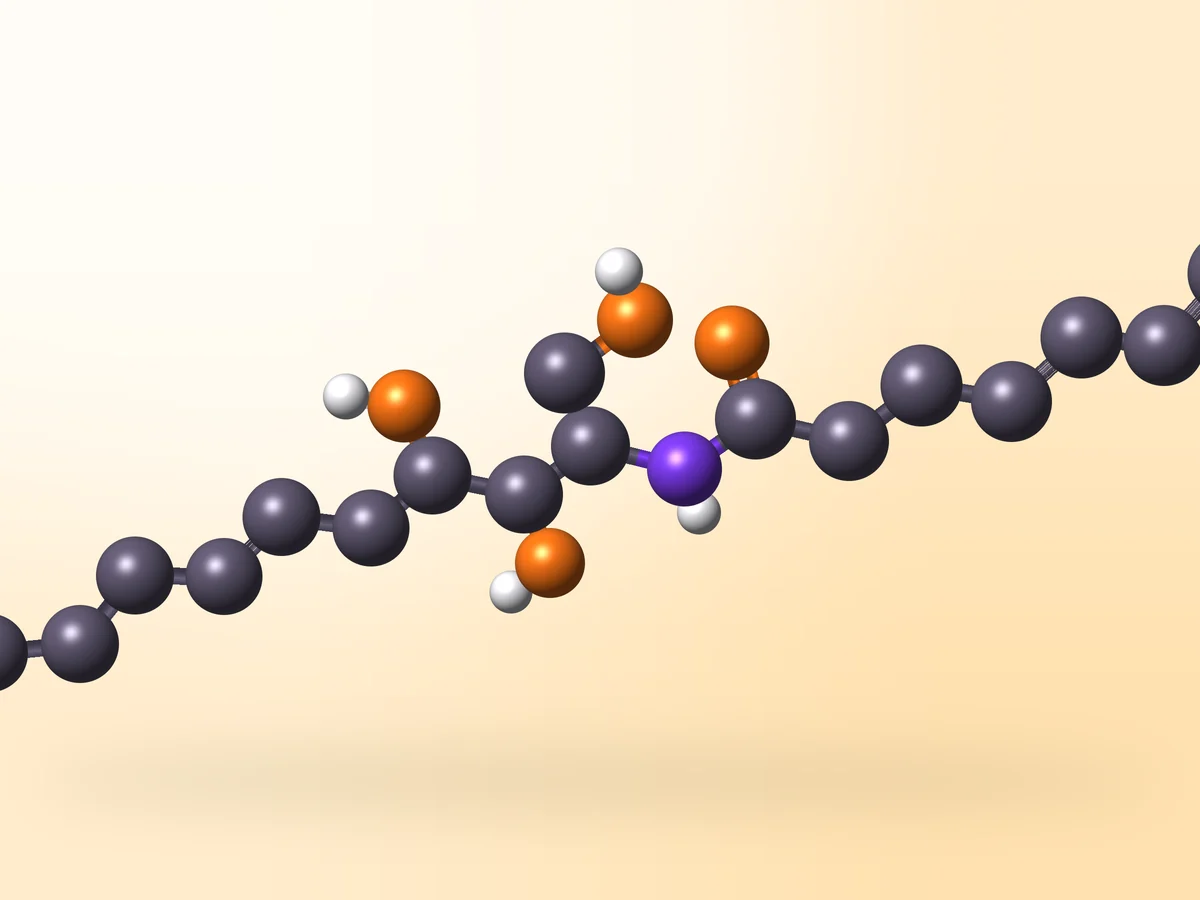
Model: ceramide NP, a typical skin ceramide. The complex combines five.

The barrier

5-Ceramides Complex

Five of the lipids the skin’s outer barrier is largely made of.
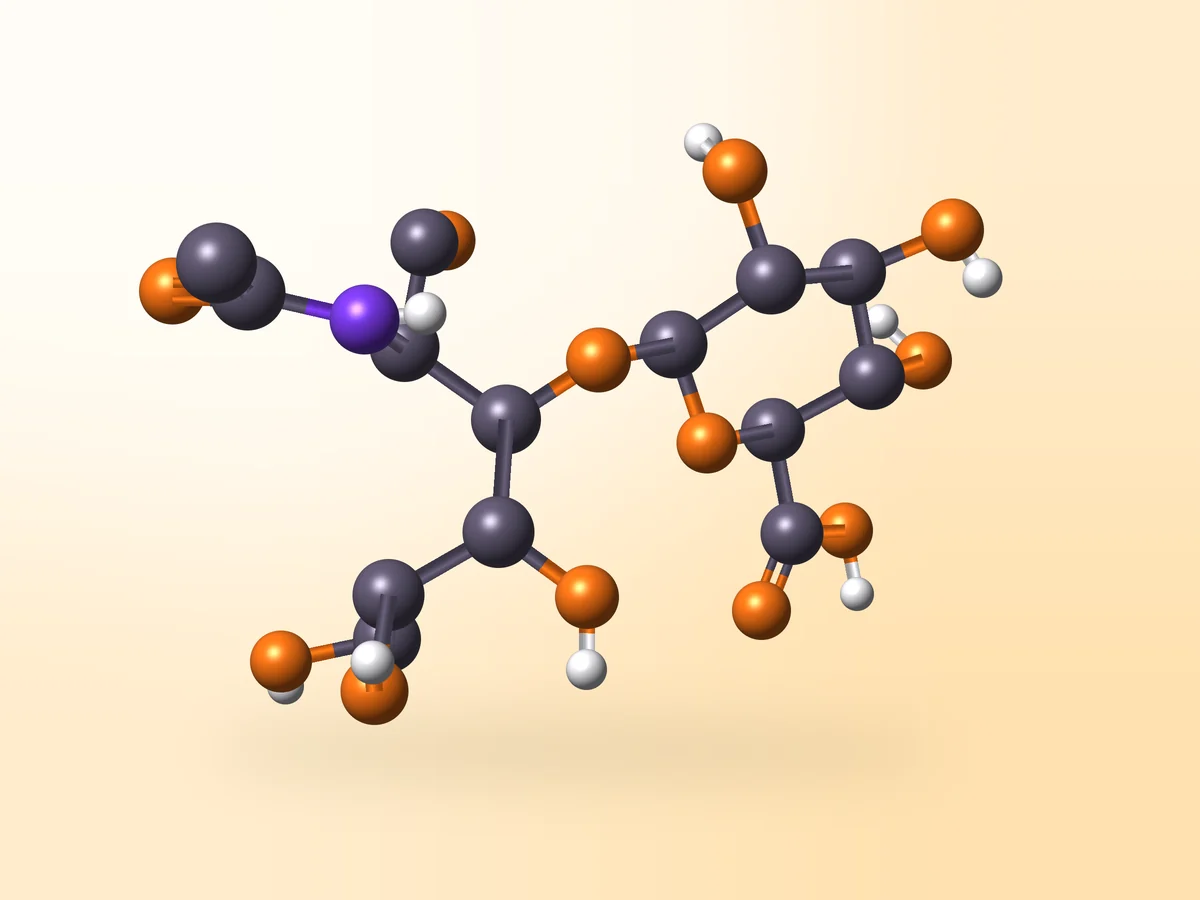
Model: one repeating unit of hyaluronic acid; the real molecule is a long chain of them.

Hydration

Hyaluronic Acid

Helps promote hydration and moisture balance, for soft, supple-looking skin.
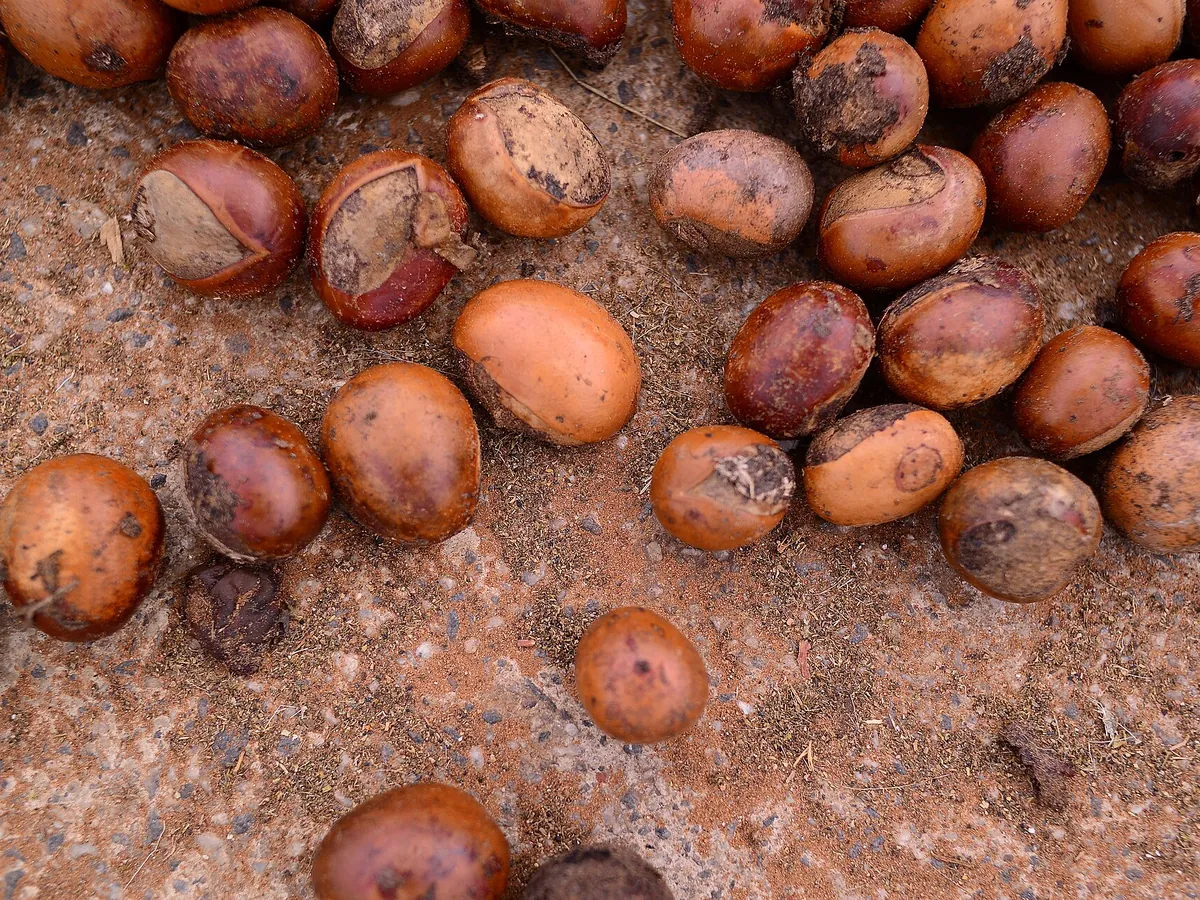
Pictured: shea nuts, which the butter is pressed from.

Softness

Shea Butter

A rich plant butter that helps soften hair, in a lighter base.

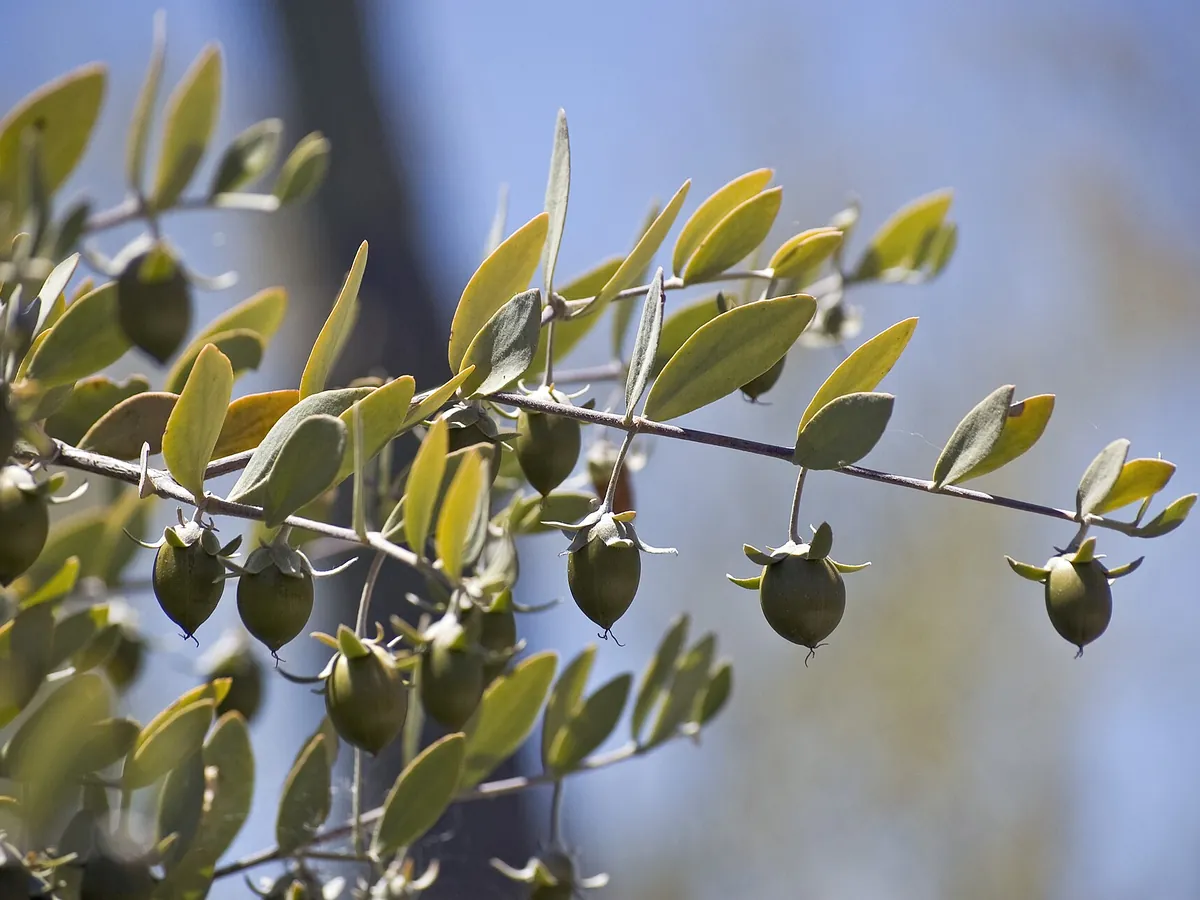
Pictured: jojoba seeds on the shrub; the oil comes from the seeds.

Slip

Jojoba Oil

A light plant oil that gives the lengths slip, so the comb goes through.

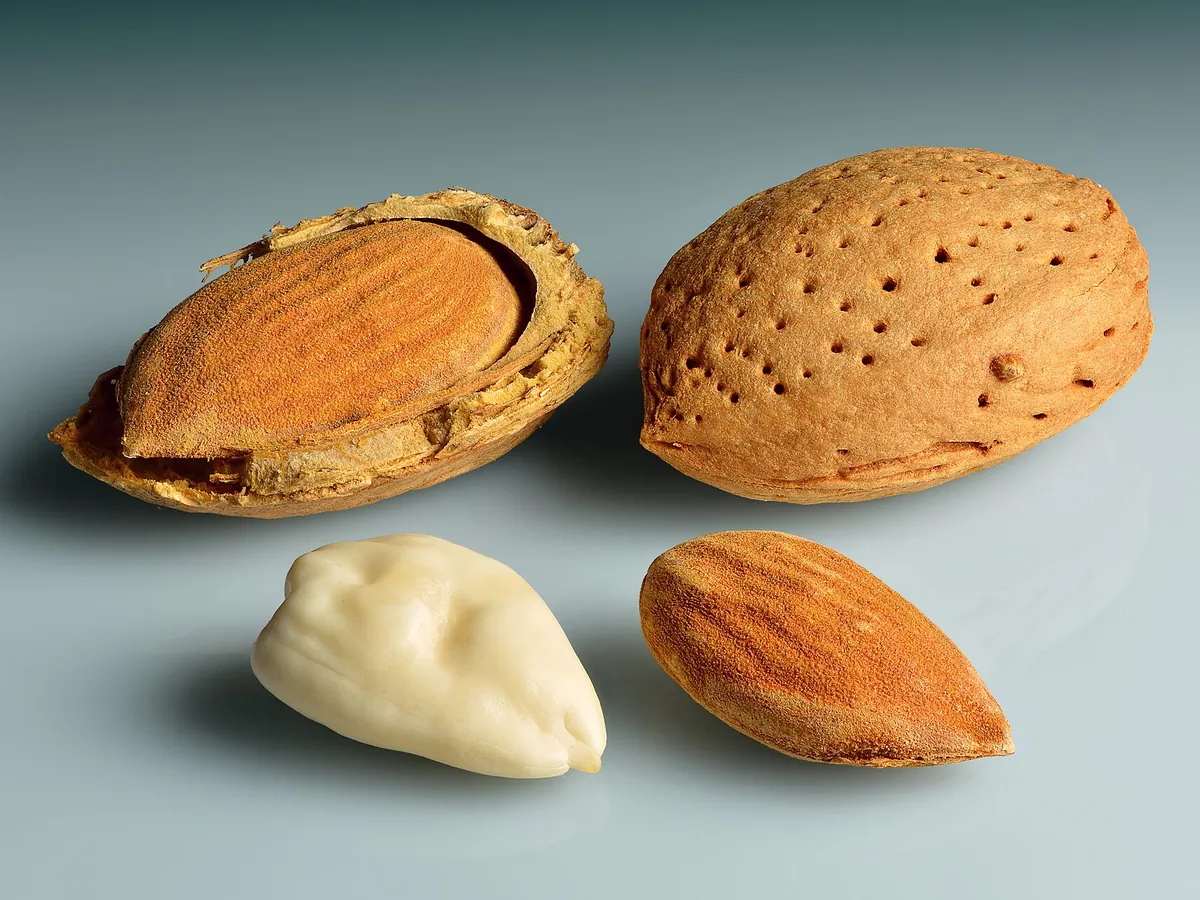
Pictured: almonds — in the shell, cracked, shelled and blanched.

Silkiness

Almond Oil

A light, nourishing oil — the reason the ends feel silky.

Pictured: a sample of tocopherol (vitamin E).

Care

Vitamin E

Tocopherol, an antioxidant vitamin, carried in the oils.

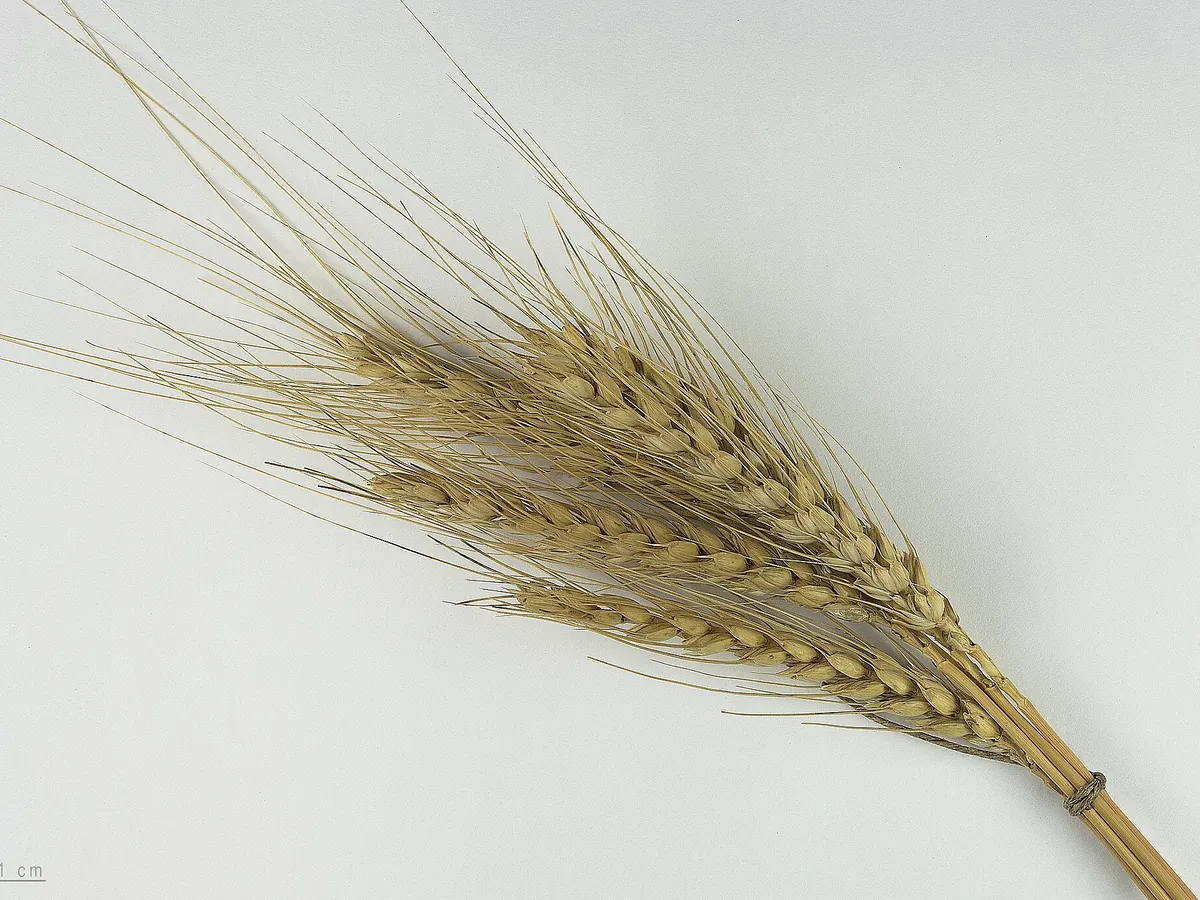
Pictured: an ear of wheat, the source of the protein.

Frizz

Wheat Protein

Hydrolysed wheat protein, which helps reduce frizziness.

Melazero’s make-up isn’t published, so it is shown in the abstract.

Korean technology

Melazero 1%

A brightening active from Korean skincare technology.

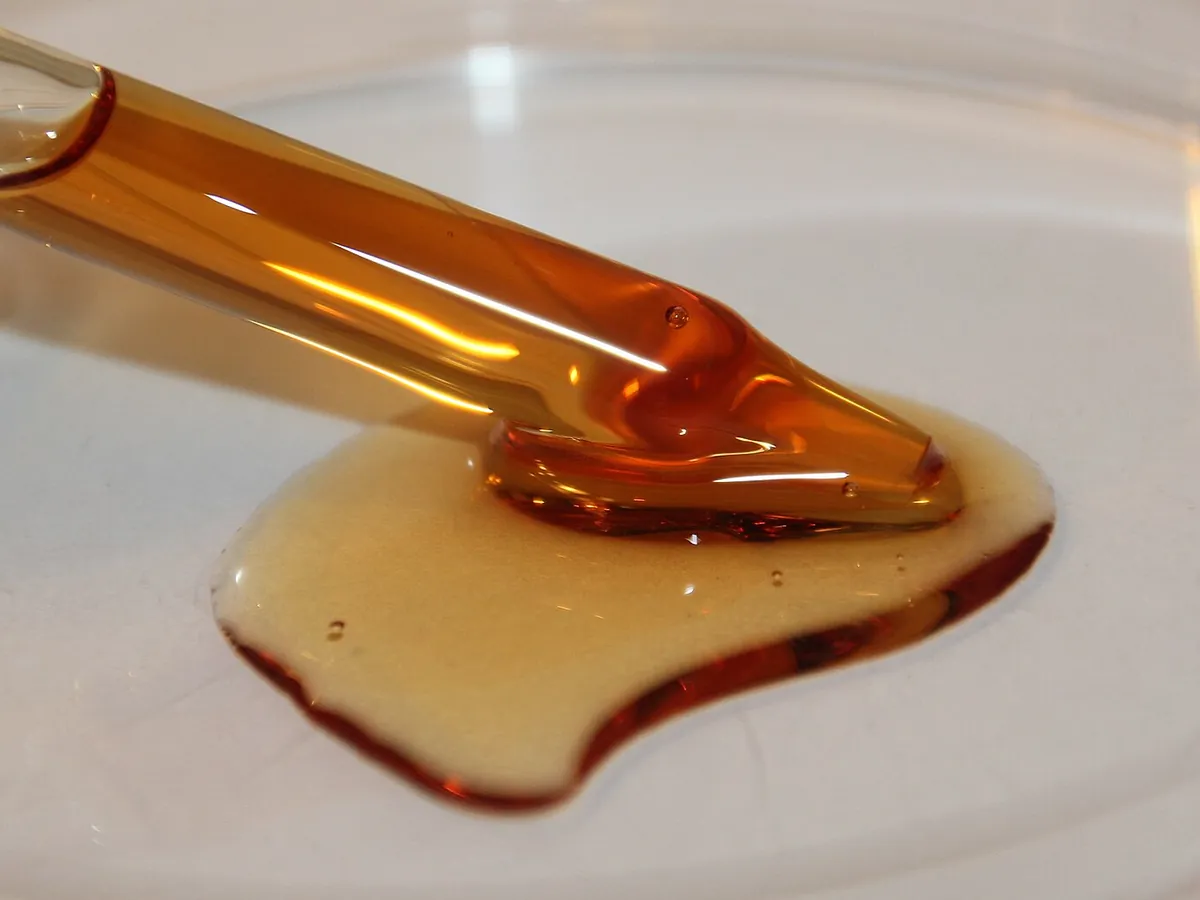
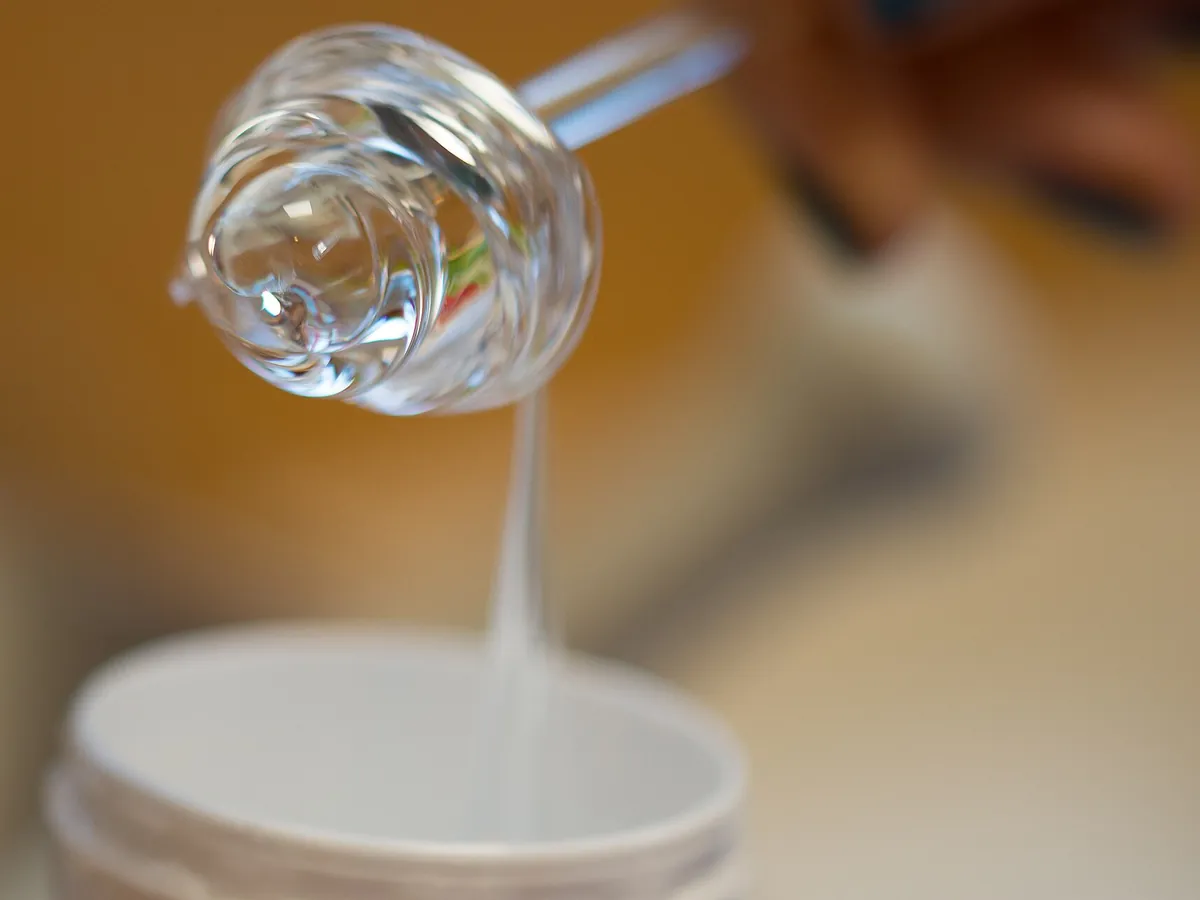
Pictured: panthenol, a clear, thick liquid.

Moisture

Panthenol

Pro-vitamin B5, a humectant that helps the skin hold on to water.

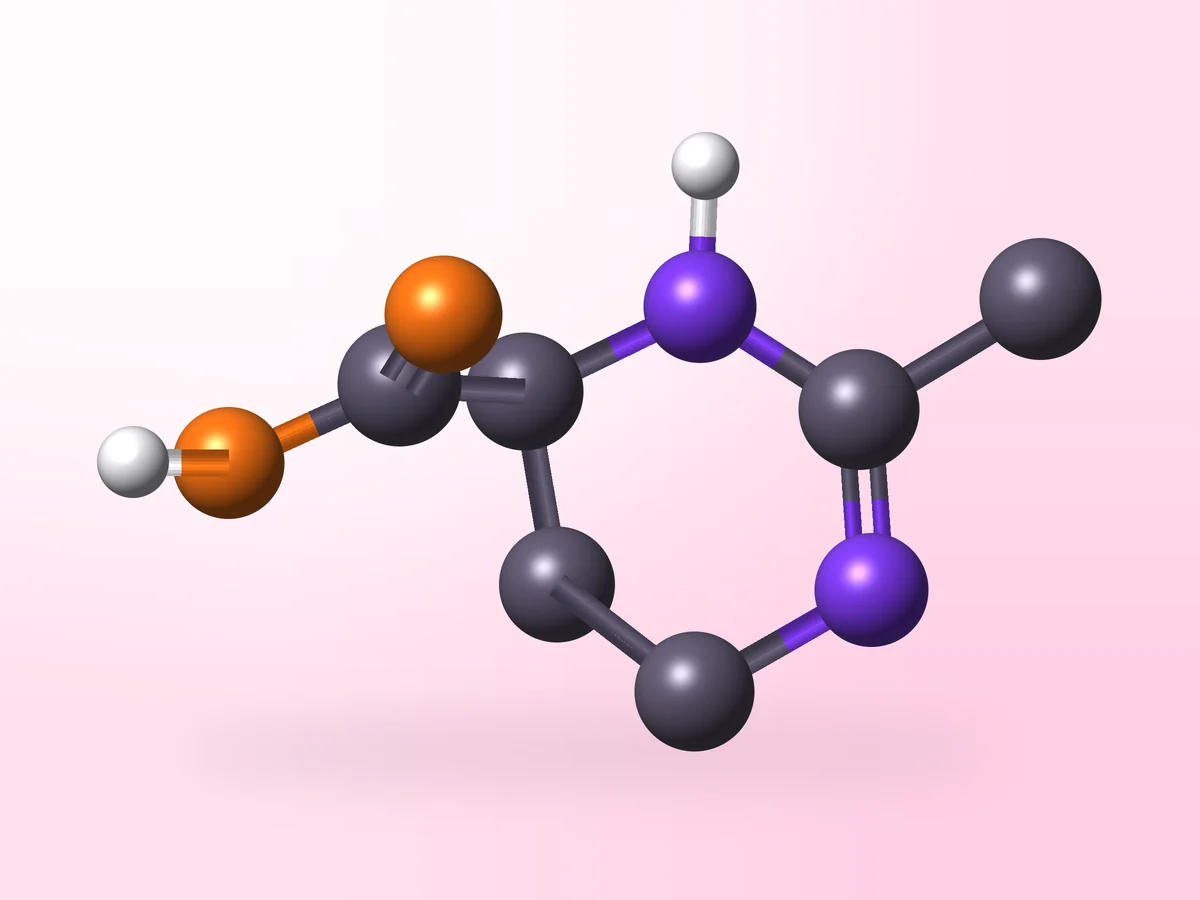
Model: the ectoin molecule.

The barrier

Ectoin

A naturally occurring protective molecule, used in barrier care.

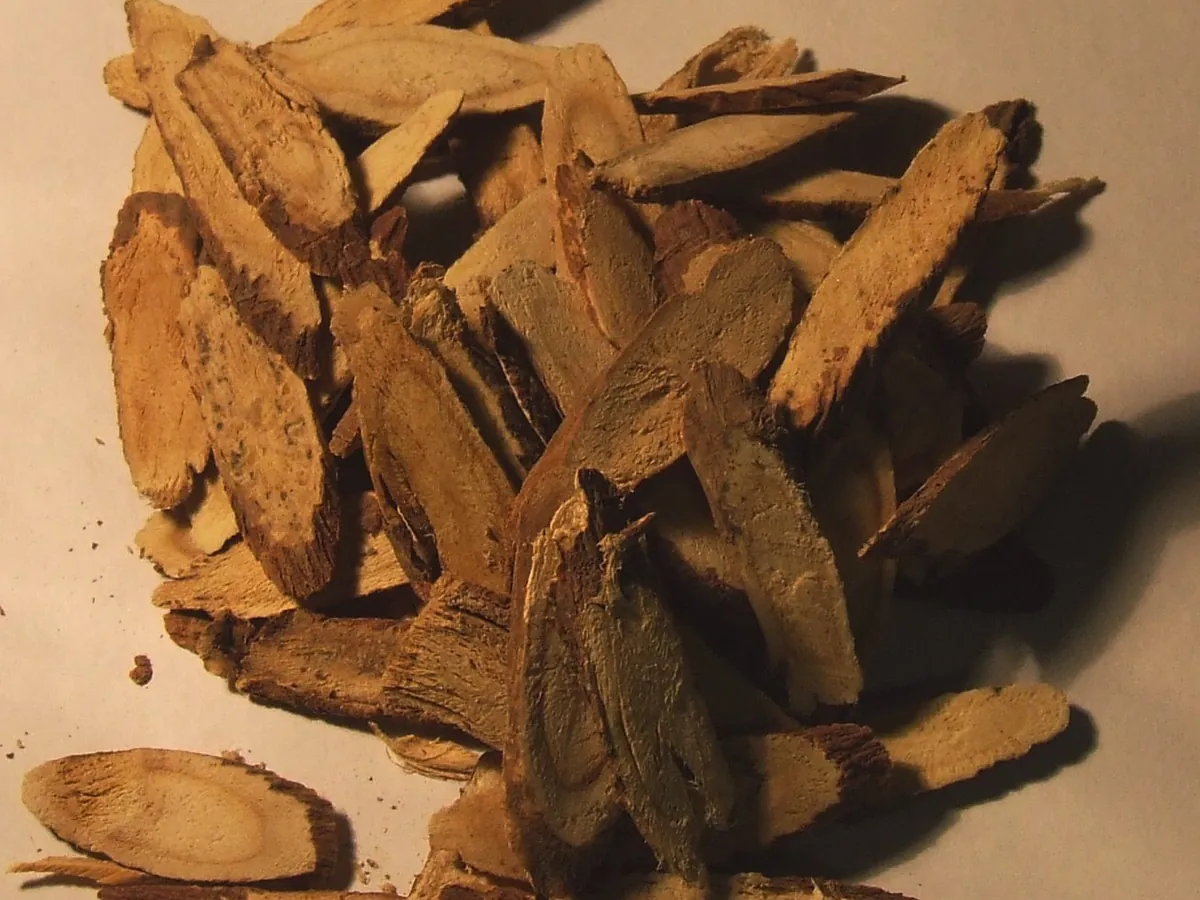
Pictured: dried licorice root.

Brightening

Licorice Extract

A botanical long used in brightening skincare.

Not sure which formula is yours?

Picture credits

Photographs from Wikimedia Commons, cropped to fit; each under the licence named, by the photographer named.

Molecule models drawn by NUXI from PubChem structures: Tranexamic acid, Niacinamide, Alpha arbutin, Ceramide NP, Hyaluronic acid (repeat unit), Ectoin.