

Track Your Progress

Proof, On A Timeline.

Two formulas, two clocks. Hair answers on a twelve-week cycle because that is how long a follicle takes to move through it; skin turns over faster and shows tone change by week eight. Photograph the same spot in the same light and let the dates do the arguing.

Hair

Advanced Peptide Hair Growth Serum

Copper Peptide + Redensyl · twelve weeks to measurable density

  1. Week 1

    Baseline. Scalp feels calmer, less reactive.

  2. Week 3

    Shedding slows. Strands feel stronger at the root.

  3. Week 6

    New growth visible along the hairline and part.

  4. Week 12

    Measurable density. The part line reads noticeably narrower.

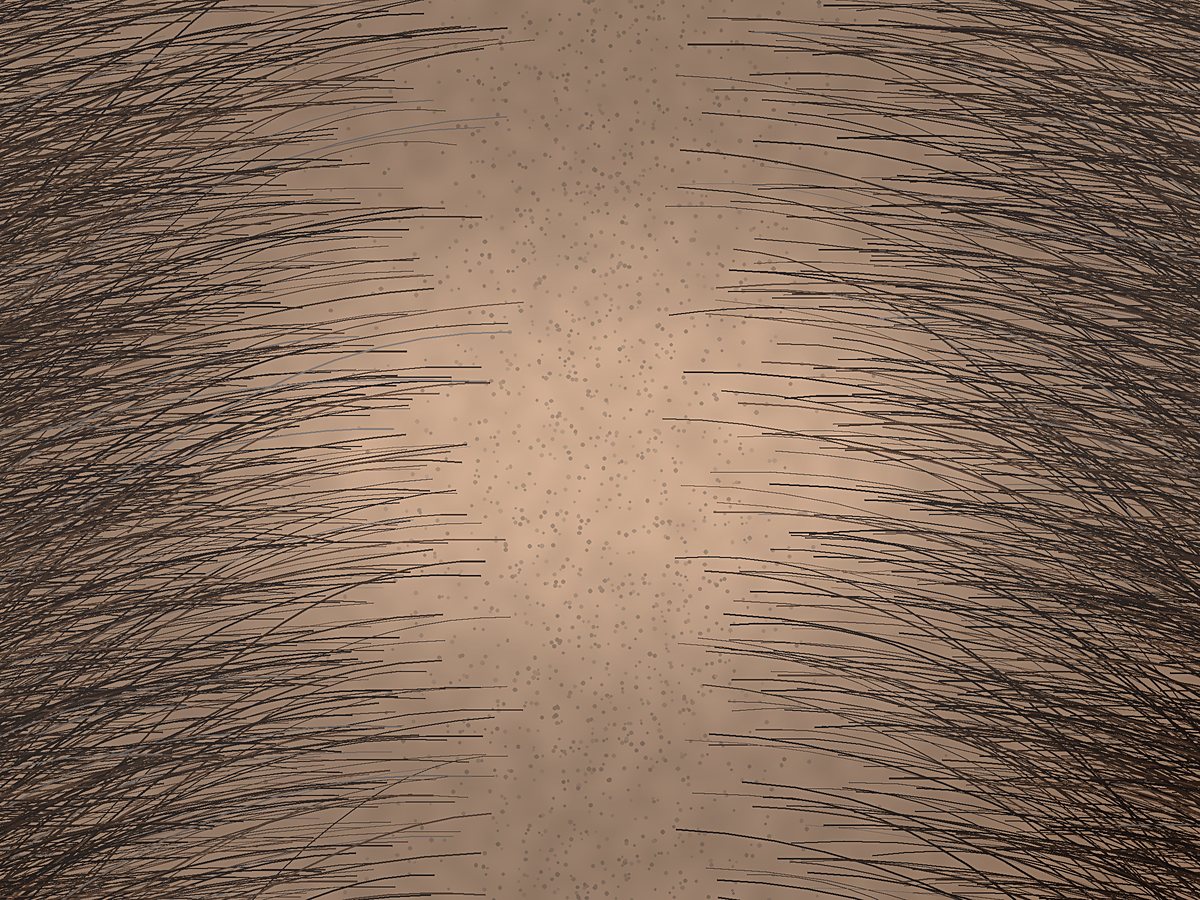
The same scalp at week twelve: the part is roughly half as wide and fine new strands fill in along both edges. A scalp at the part line in week zero, with a wide band of visible skin between sparse strands.
Illustration, not a patient photograph. Drag the handle. What it shows is the change the twelve-week timeline above describes — a part line that closes and finer regrowth along its edges — drawn to scale rather than photographed. We will put real paired photos here when we have a set shot under the three rules further down this page, and not before.
Face

PDRN Face Serum

PDRN + Niacinamide 5% + Alpha Arbutin 2% · eight weeks to visible tone correction

  1. Week 1

    Barrier settles. Skin holds water better and the tight feeling after cleansing goes.

  2. Week 2

    Redness calms. New marks stop darkening as they heal.

  3. Week 4

    Texture smooths and skin reads brighter. Older marks start to lift as pigmented cells turn over.

  4. Week 8

    Visible tone correction. Dark spots sit lighter and the tone across the face is more even.

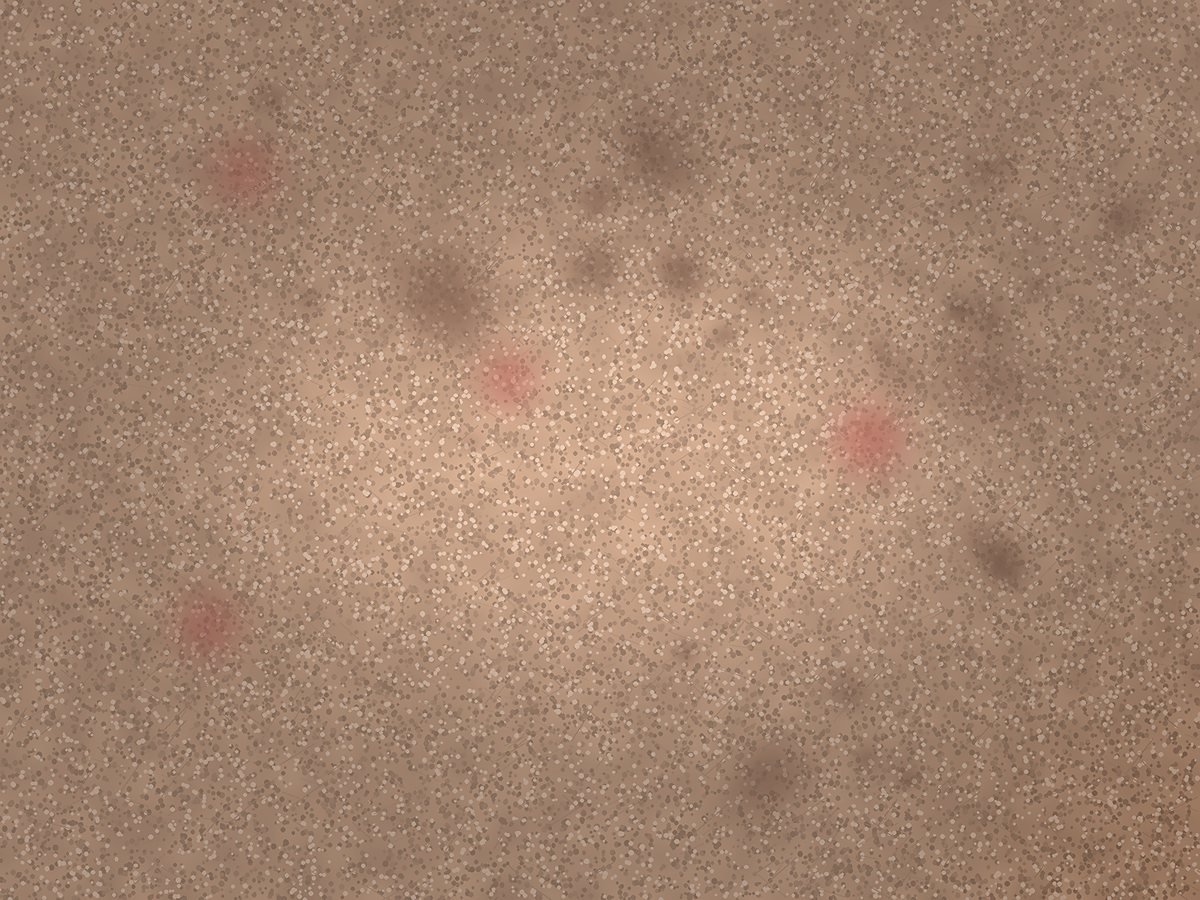
The same cheek at week eight: the marks sit in the same places but much lighter, the inflamed spots have gone, and the tone across the patch is even. A cheek at week zero, with clustered post-acne dark marks, a few inflamed red spots and uneven tone.
Illustration, not a patient photograph. The marks keep their positions and lose their density, which is how post-inflammatory pigment actually clears — it fades in place, it does not migrate. Note what has not changed: pore texture and the two largest marks are still there at week eight. Eight weeks is tone correction, not erasure.

Why niacinamide and alpha arbutin are dosed together

Pigment is not one process, it is two — melanin gets manufactured, then handed to the skin cells where it shows. Most brightening agents interrupt one of those and stall. These two take one each, which is what the eight-week figure above is built on.

  • Alpha Arbutin 2% Blocks tyrosinase — the enzyme that manufactures melanin. Less pigment gets made in the first place.
  • Niacinamide 5% Blocks the hand-off, slowing transfer of the melanin that is made into the surface cells where it becomes a visible mark.

Production and delivery, addressed at once. Niacinamide also rebuilds the barrier while it works, which is the reason this pair can be used daily and left on — a tolerance question, and the one that decides whether anyone is still applying it at week eight.

In Development

It Comes
With The Bottle.

The NUXI analysis app is not a separate purchase and not a trial — the login arrives with your first order and stays yours for as long as you are on the formula. It is not live yet. This is what it will do when it lands, and what it will refuse to promise.

Hairline Part width Density Scalp condition INTERFACE PREVIEW · NOT LIVE · NO READING SHOWN
A drawing of the interface, not a screenshot. It marks the four things the scan measures and roughly where it looks for them. There are deliberately no scores in it — the app has not been built, so any number here would be one we invented, and this whole section is an argument against exactly that.
Hair

Reads your scalp, then doses it

A single picture of your part and hairline, measured against the same frame every time you check back — so progress is a number, not a feeling.

  • Hairline scoreHow far the frontal line has moved, mapped against your own first scan rather than a stranger's.
  • Density scoreStrands per square centimetre across the crown and the part.
  • Part widthThe measurement that shifts first when density starts coming back.
  • Scalp conditionFlaking, redness and shine — which decide whether the serum is landing on a surface that can use it.
  • Where to put itThe sections the scan actually found thinning — part line, temples, crown — rather than the whole head. Spread evenly, most of a 30 ml bottle lands on hair that was never the problem.
  • How much, how oftenDrops per section and nights per week, set against the area your own scan measured. Under-dosing is the most common reason a serum reads as “not working” at week six.
Face

Reads your skin, then places it

The assistant reads your skin for the things that actually drive a routine, tells you what is going on, and fits the serum into the routine you already keep.

  • Pigmentation mapWhere the marks are and whether they are post-blemish or sun-driven. The two do not fade on the same clock.
  • Redness and reactivityWhether the barrier needs settling before any active goes near it.
  • Texture and poresThe surface read that your week-four checkpoint is measured against.
  • Even-tone scoreOne number for how far the tone across your face has levelled out — which is the thing the eight-week figure above is actually measuring.
  • Where to put itThe zones the map flagged, and where it sits in the order against whatever else you already use. Actives layered in the wrong order largely cancel.
  • How much, and whenAmount per zone and which end of the day, stepped down if the redness read says your barrier is not ready for a nightly dose yet.

And what it will not promise you

The best case it shows you is the timeline at the top of this page, reached by someone who put the right amount in the right place for the full cycle. Not a projection past that. An app that scans your face and answers with glass skin is selling you the scan.

  • On hair Twelve weeks is a density and part-width change on follicles that are still living. The serum thickens what is thinning. It does not reopen a follicle that has already closed — nothing topical does — and where the scan reads that, the app will say so instead of selling you a fourth bottle.
  • On skin Eight weeks is a tone that reads more even and marks that sit lighter. It is not a different face. Pigment sitting deeper than the epidermis, and scarring that has changed the surface itself, need a clinic — and you will hear that in week one rather than week twenty.

If your own baseline puts the ceiling lower than you were hoping, that is the number you will be given. A result you can beat is worth more than one you cannot.

Do It Properly

Three Rules For
An Honest Photo.

  • 01

    Same light, every time

    Daylight by a window, never a bathroom bulb. Warm overhead light flatters density that is not there, and flattens the tone change on skin when it finally arrives.

  • 02

    Same angle, every time

    One parting and one camera position for hair; straight-on and neutral for skin. A shifted angle can swing the apparent width of a part line more than six weeks of real growth will.

  • 03

    Nothing on top

    Hair dry and unstyled, skin bare and freshly cleansed. Wet hair always looks thinner, and makeup erases the exact thing you are trying to measure.